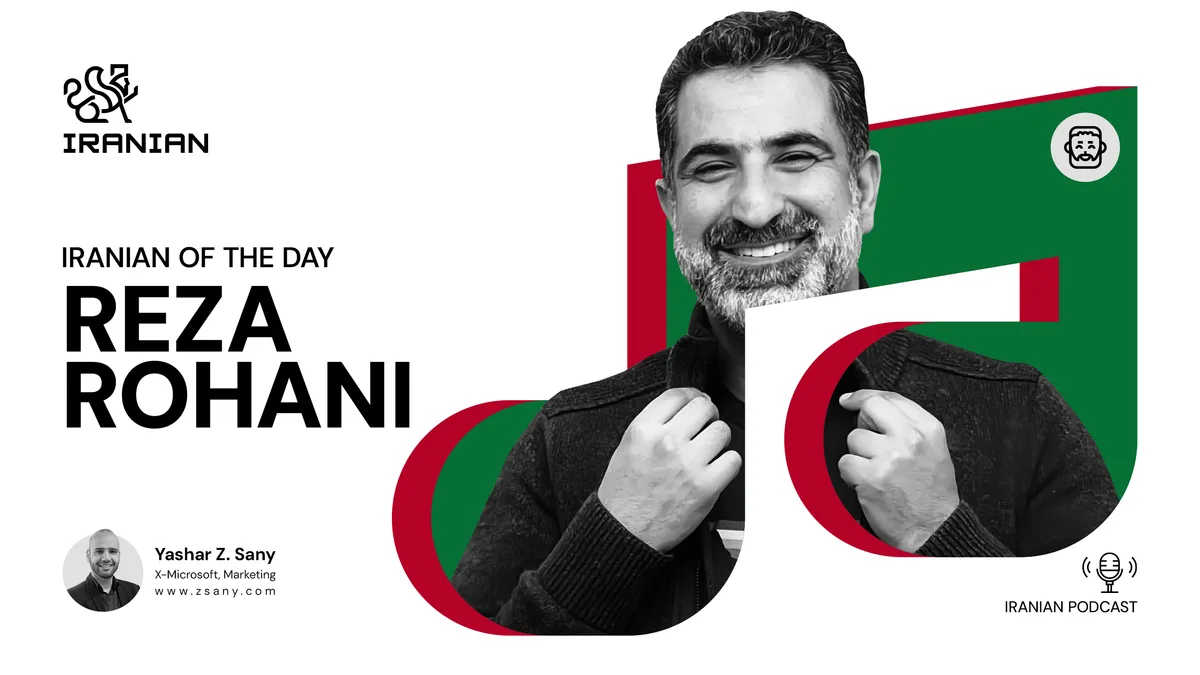
Reza Rohani stands as a remarkable figure in contemporary music; a pianist and composer whose work seamlessly blends the rich melodic traditions of Persian music with the harmonic sophistication of Western classical and jazz styles. His artistic journey, marked by geographic and cultural transitions, from Tehran to Germany, and later to the United States, reflects a lifelong dedication to expanding the boundaries of musical expression. More than just technical skill, Rohani’s story is about cultivating an identity that transcends borders, crafting a musical language that resonates on a universal level.
Early Years: A Childhood Immersed in Music
Reza Rohani’s early life was steeped in musical influence, growing up in a family where music was not merely a pastime but the very fabric of daily life. His father, Anoushiravan Rohani, is a renowned figure in Iranian music, whose career as a composer and pianist laid a foundation for Reza’s own artistic aspirations. From a young age, Reza’s exposure to music was immersive, with lessons guided initially by his sister and uncle, and his father serving as a subtle but powerful mentor despite frequent work-related travels.
This early environment gave Reza a unique vantage point, one that combined formal instruction with a lived experience of music as a form of communication and cultural expression. His training began in Iran, where he developed the foundational skills and appreciation for Persian melodies that would later become integral to his compositions.
Education in Germany: Classical Roots and Jazz Exploration
During his teenage years, Rohani moved to Germany, a turning point that introduced him to a broader musical landscape. Completing his secondary education and earning a diploma in classical music, he further pursued jazz studies at the bachelor’s level. This period was formative not only in terms of refining his technical abilities but also in expanding his stylistic horizons.
Germany’s vibrant music scene exposed Rohani to teachers who were active musicians themselves, providing him with practical knowledge about performing and navigating the music industry. Jazz, with its emphasis on improvisation and emotional expression, deeply influenced Rohani’s compositional approach, adding layers of complexity and spontaneity to his work.
The American Chapter: Film Scoring and Classical Composition
After establishing himself professionally in Iran, Rohani sought to deepen his artistic toolkit by moving to the United States. There, he pursued a master’s degree focusing on both classical composition and film scoring. This educational path allowed him to merge his performance skills with the narrative demands of cinematic music, enhancing his ability to evoke emotion and tell stories through sound.
Rohani’s career today reflects this versatility: his portfolio spans instrumental works, film scores, vocal arrangements, and collaborations across pop and classical genres. This fluidity underscores his belief that music should not be confined to rigid categories but should instead serve the broader purpose of connection and communication.
A Unique Blend: Redefining Iranian Pianism
Central to Rohani’s artistic vision is the rejection of simplistic labels. Instead of being defined solely as an “Iranian pianist,” he strives to create music that embodies the interplay between Eastern and Western traditions. His compositions reflect a sophisticated dialogue where Persian melodic motifs intertwine with Western harmonic structures, producing a sound that is simultaneously rooted and innovative.
This fusion allows Rohani to act as a cultural bridge, inviting listeners from diverse backgrounds to experience a shared emotional journey. His music’s universal appeal stems from this blending of tradition and modernity, personal expression and collective resonance.
Navigating Challenges Abroad: Growth and Hardship
Rohani’s years abroad were marked by both artistic growth and personal challenges. His decade-long stay in Germany was crucial for establishing independence and deepening his creative voice, though it also meant time away from family and homeland. Returning to Iran for professional work, he encountered growing restrictions, particularly the increasing difficulties in collaborating with female vocalists and the impact of censorship on artistic freedom.
A poignant turning point was the cancellation of his final concert in Iran just a day before the sold-out event. This experience underscored the constraints he faced and ultimately led to his permanent relocation to the United States in 2014, where he found greater freedom to pursue his creative vision.
The Creative Process: Discipline Meets Inspiration
Rohani’s approach to composing is marked by a delicate balance between intentionality and spontaneity. At times, his work is meticulously crafted to fit a particular film scene or project, with every note designed to support a visual narrative. At other moments, music emerges organically, often inspired by dreams or unplanned sessions at the piano, capturing melodies that surface without premeditation.
This duality between structure and improvisation defines much of Rohani’s music, lending it an authenticity that resonates deeply with listeners.
A Broad Musical Palette
While Rohani’s foundation is firmly classical, his musical interests are expansive. His listening spans from the classical canon, including composers like Brahms, to contemporary pop artists such as Dua Lipa. This wide-ranging palette informs his compositions, which resist strict genre classifications and instead emphasize emotional honesty.
Among his notable works are pieces like “Rafiq” and “Sweet As You Are,” compositions that hold special personal significance and exemplify the depth and sincerity he seeks to convey.
Collaborations and Live Performances
Throughout his career, Rohani has collaborated with some of the most respected names in Persian music, including Sara Naeini, Googoosh, Martik, and Nima Masiha. One particularly memorable performance took place in Irvine, California, where Rohani shared the stage with Naeini and his father in an unrehearsed, spontaneous concert that resonated strongly with the audience, symbolizing the intersection of familial ties and cultural heritage.
Mentorship and Media Presence
Rohani’s contributions extend beyond performance and composition. His role as a judge on the Persian-language talent show Stage, broadcast on Manoto TV, allowed him to mentor emerging artists, guiding them not only in technical proficiency but also in understanding the emotional and conceptual dimensions of performance.
This engagement with television showcased his commitment to nurturing new talent and raising the standards of Persian-language media productions.
Enduring Lessons from a Musical Legacy
While direct advice from his father was rare, Rohani attributes much of his artistic ethos to observing his father’s consistent work ethic and quiet dedication. These unspoken lessons have profoundly shaped his approach to music and life, emphasizing perseverance, humility, and authenticity.
Looking Forward: Beyond Music
Despite a lifelong devotion to music, Rohani’s interests are diverse, including a passion for astrophysics and the sciences. He admires those who explore the universe’s mysteries, though his primary mission remains to create music that touches lives and withstands the test of time.
He also stresses the importance of societal awareness, believing that progress, whether cultural, scientific, or social, begins with a conscious understanding of one’s environment.
Advice to the Next Generation
To young musicians, Rohani offers straightforward guidance: pursue music only if it ignites a genuine passion. For him, artistic endeavor is not a route to financial success but a path to emotional expression and personal fulfillment. In his view, the true reward in music is the love it evokes and the connection it fosters between artist and audience.